She Gave You Her Blouses. Now What? Navigating the Beautiful Mess of Inherited Traditional Pieces
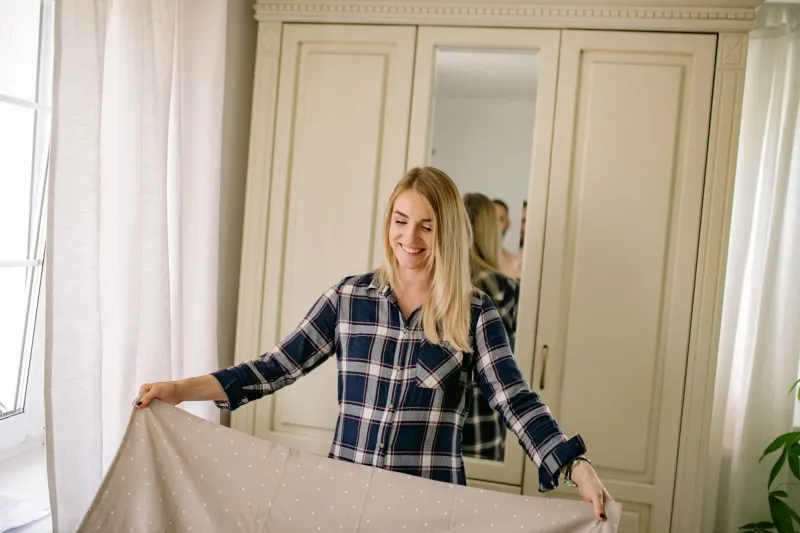
It usually happens during a visit home. Your mom disappears into her bedroom and comes back carrying something wrapped in tissue paper or zipped inside a garment bag that smells faintly of cedar and a perfume she stopped wearing years ago. She sets it on the bed, unzips it slowly, and there it is — a blouse she brought over from another country, or saved from her wedding, or wore to every significant occasion before you were born.
"It's yours now," she says.
And you feel two things at once: genuinely moved, and quietly terrified.
Because you were raised here. Your wardrobe lives in the space between weekend farmer's markets and Monday morning Zoom calls. You love your heritage — you do — but you're not sure where a heavily embroidered silk blouse fits between your denim jacket and your work blazer. And you're definitely not sure how to tell her that.
This is the blouse inheritance problem. And if you've lived it, you know it's about a lot more than clothing.
Why These Pieces Feel So Heavy (In the Best and Hardest Way)
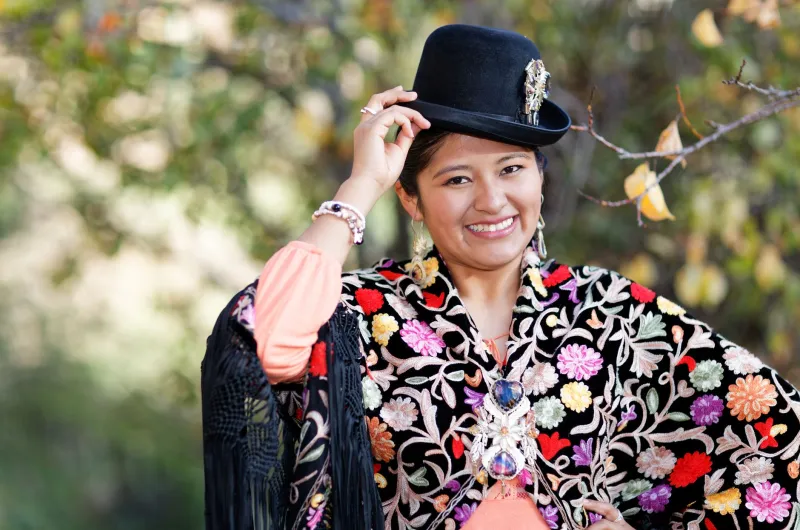
Traditional blouses carry weight that has nothing to do with fabric. They're time capsules. When your aunt presses a hand-stitched kurta into your arms, she's not just giving you a garment — she's handing you a version of herself, a country she left, a life she built around you, and a hope that some thread of all that makes it into your future.
That's beautiful. It's also a lot of pressure to place on a Tuesday outfit.
For American-raised women with immigrant parents or grandparents, the tension is real: you want to honor where your family came from, but you also want to dress in a way that feels natural to who you actually are — someone who grew up here, who moves through American spaces, who maybe speaks the language of her heritage imperfectly but loves it fiercely anyway.
The good news? Honoring a gift and making it yours aren't mutually exclusive. They just take a little intention.
Start by Actually Looking at What You Have
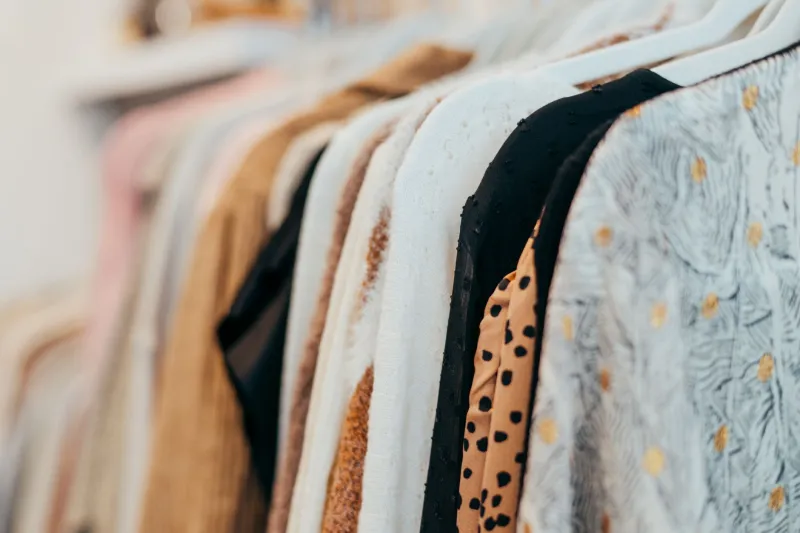
Before you do anything else, take the pieces out. Lay them flat on your bed in good light. Look at them the way you'd look at anything new in a store — with fresh eyes, without the emotional overlay of the moment they were given to you.
Ask yourself a few honest questions:
- What's the fabric? Is it something you'd realistically wear in your climate and daily life?
- What's the silhouette? Is it boxy, fitted, cropped, long?
- What's the detailing? Heavy embroidery, mirror work, printed fabric, delicate smocking?
- What colors are you working with?
Sometimes, when you strip away the story for a moment, you'll find a piece that's actually stunning and surprisingly wearable. Other times, you'll realize it's genuinely a museum-quality artifact that belongs displayed, not dressed in. Both are valid conclusions.
The Alteration Conversation Nobody Warns You About
Here's the thing about inherited blouses: they were made for someone else's body, in a different era, possibly in a different country's sizing system entirely. The fit might be completely off, and that alone can make a beautiful piece feel unwearable.
Alterations are not disrespectful. Let's say that clearly.
Taking a blouse to a skilled tailor — ideally one who has experience with ethnic garments and understands the construction — can transform a piece you'd never reach for into one you actually love wearing. A too-wide neckline can be adjusted. A boxy silhouette can be taken in. Sleeves can be shortened. In some cases, embellished panels can even be repurposed into a new garment entirely.
If the idea of altering something your mother wore to her own wedding makes you nervous, talk to her about it first. Many women who pass down these pieces want them to be worn, not preserved in a box out of obligation. You might be surprised — she may light up at the idea of you actually using it.
Building Style Bridges: Where Traditional Meets Your Actual Wardrobe
You don't have to dress head-to-toe in traditional clothing for a piece to feel at home in your life. The secret is building bridges — pairing inherited blouses with items already in your wardrobe in ways that feel natural rather than costumed.
A few combinations that work surprisingly well:
With wide-leg trousers. A structured ethnic blouse tucked loosely into wide-leg pants reads as polished and intentional. It's the kind of outfit that turns heads at a dinner party in the best way.
Over a midi skirt. Let a longer traditional blouse float over a simple solid-colored midi skirt. The contrast between the intricacy of the top and the simplicity of the bottom creates a balance that feels modern.
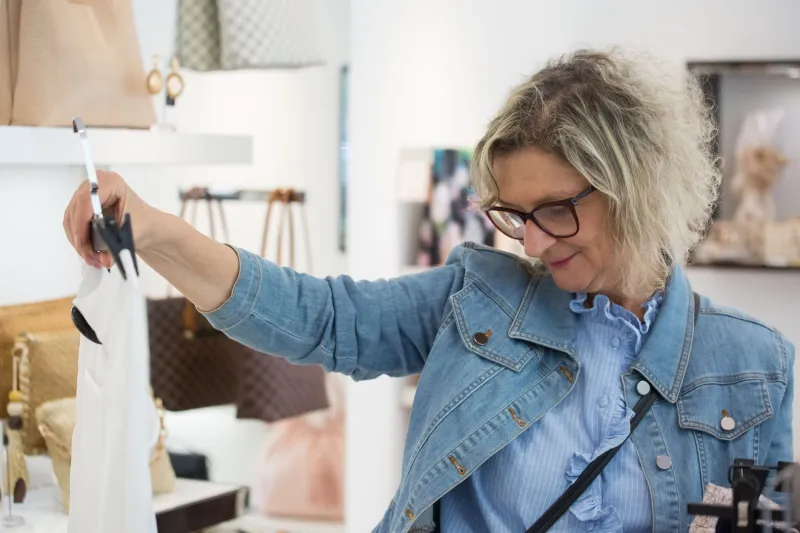
Under a blazer. Yes, really. A printed or embroidered blouse peeking out from under a well-cut blazer is one of the easiest ways to wear something traditionally ethnic in a professional American context without it feeling out of place.
With your favorite jeans. Don't overthink it. A beautiful blouse with great jeans and clean sneakers or loafers is an outfit. Full stop.
The goal is to let the blouse be part of your wardrobe, not a performance of your heritage that you only put on for special occasions.
The Conversations Worth Having
If you're struggling with inherited pieces, one of the most valuable things you can do is actually talk to the woman who gave them to you — not just to ask permission to alter them, but to ask about the story.
Where did she wear this? What was she feeling when she put it on? What does the embroidery pattern mean, if anything? Is there a specific occasion this was made for?
These conversations do two things. First, they give you context that might shift how you see the piece entirely. A blouse that looked fussy and impractical might suddenly feel like armor once you know she wore it the day she passed her citizenship exam. Second, they deepen the relationship between you and the woman who raised you — and that's worth more than any garment.
And if the honest answer after all of that is that the piece still doesn't fit your life? That's okay too. Passing something along to a cousin who will actually wear it, donating it to a cultural organization, or having it professionally preserved as a keepsake are all ways of honoring the gift without forcing a fit that isn't there.
You Don't Have to Earn Your Heritage Through Discomfort
Sometimes the pressure around inherited traditional blouses comes from a quiet, unspoken fear: If I don't wear this, does that mean I've lost something? Does it mean I'm not connected enough to where I come from?
It doesn't. Your connection to your heritage isn't measured in garment choices. It lives in how you move through the world, what you value, how you love your family, and yes — sometimes in the blouses you choose to wear because they genuinely bring you joy.
The best outcome isn't wearing every piece out of obligation. It's finding the ones that actually light something up in you, making them fit your real life, and wearing them with the kind of ease that would make the woman who gave them to you proud.
That's the whole point of passing something down. Not to hand you a burden — but to give you something worth keeping.