Wear Your Roots: How to Find an Ethnic Blouse That Actually Means Something to You

Photo by Photo by Deb Dowd on Unsplash on Unsplash
There's a difference between wearing a beautiful blouse and wearing your blouse. One turns heads. The other stops your heart a little—in the best way—because it carries something real. For millions of American women navigating multicultural identities, immigrant family histories, or deeply personal connections to a homeland they may have never even visited, that distinction matters more than any trend report could capture.
At Mani Blouse Market, we see this every single day. Women don't just shop here for something pretty. They come looking for something that belongs to them.
The Emotional Weight of What We Wear
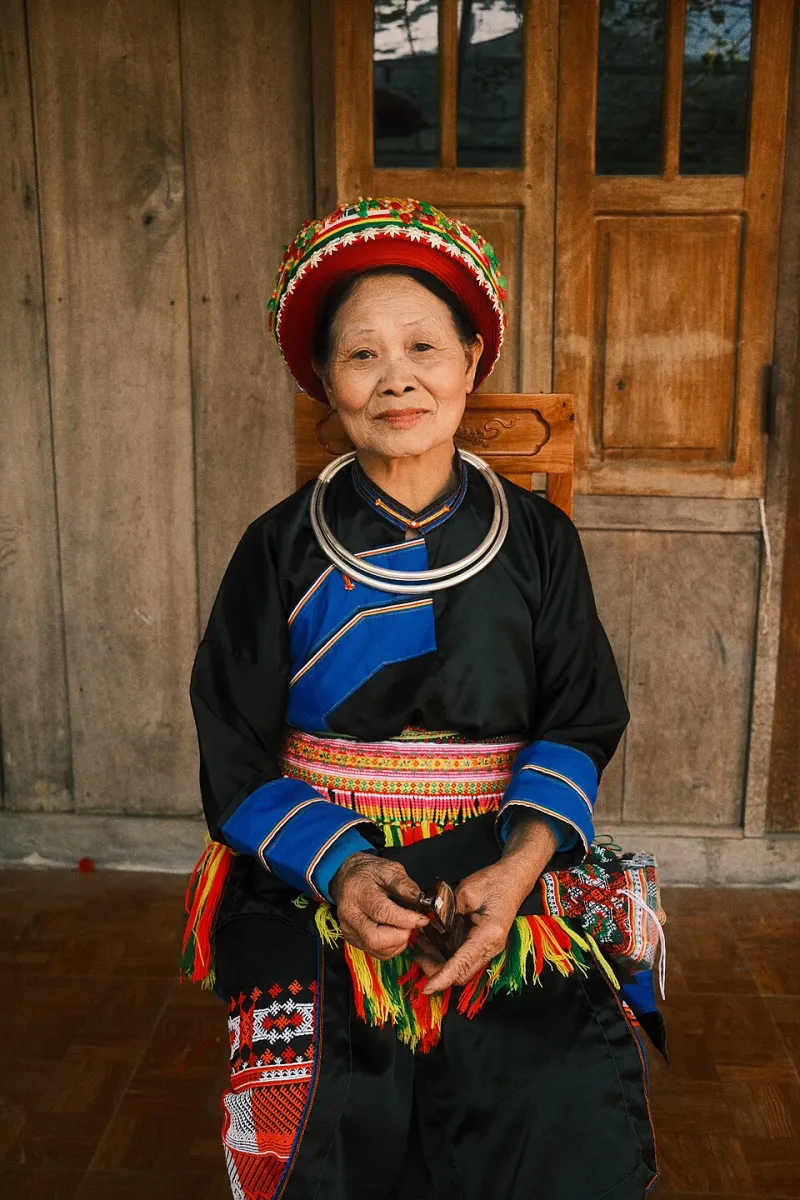
Fashion has always been personal, but ethnic wear carries a particular kind of weight. A hand-embroidered blouse from Oaxaca isn't just a garment—it's a conversation with a grandmother who wore something similar. A silk kurta with mirror work might echo a wedding photo tucked inside a family album. These aren't just aesthetic choices. They're quiet declarations.
Priya, a software engineer based in Houston, described it this way: "My mom came from Tamil Nadu in the early '90s. She had this one blouse she wore to every important occasion—deep burgundy with gold thread along the collar. When I found something similar here, I literally teared up in the middle of checkout. It wasn't the same blouse, but it felt like hers."
That feeling—recognition mixed with belonging—is exactly what the right piece of ethnic wear can deliver. But how do you find it, especially when your heritage might be layered, blended, or complicated?
Start With What You Actually Know
The first step isn't browsing a catalog. It's a conversation—with yourself, or better yet, with older family members who hold the details you might not.
Ask questions like: What region did your family come from? What fabrics or colors show up in old family photos? Were there garments worn for specific rituals, celebrations, or everyday life that stuck in someone's memory?
You don't need to be an expert in your own culture's textile history. You just need a thread to pull. Maybe it's a specific embroidery style your aunt mentioned once. Maybe it's a color palette that shows up in every photo from your parents' home country. Those small details are your starting point.
For women who are adopted, or who grew up largely disconnected from a cultural heritage they're now reclaiming, the process can feel more exploratory—and that's completely okay. Wearing ethnic clothing as part of cultural discovery is valid. The key is approaching it with genuine curiosity and respect rather than treating it as costume.
Multicultural Identity Deserves Multicultural Style
America is full of women who don't fit neatly into one cultural box—and that's actually a beautiful thing when it comes to building a wardrobe. If your background is half-Filipina and half-Mexican, or Nigerian and Trinidadian, or Korean and Puerto Rican, there's no rule that says you have to pick one story to tell.
Many women at Mani Blouse Market mix pieces from different traditions intentionally. A blouse with West African wax print fabric paired with embroidery details reminiscent of South Asian craftsmanship can be a visual autobiography. It doesn't have to be historically "accurate" to be personally authentic.
Fashion stylist and cultural consultant Amara D., who works with second-generation immigrant clients in New York, puts it simply: "Authenticity isn't about perfection or purity. It's about intentionality. When a woman chooses a blouse because it connects her to something real in her life, that's authentic. Full stop."
How to Shop With Intention
Once you have a sense of what you're looking for emotionally, here are some practical ways to make sure your purchase actually delivers on that connection.
Look for origin transparency. Ethical ethnic wear sellers should be able to tell you where a piece was made and by whom. Knowing that your blouse was hand-stitched by artisans in Rajasthan or woven in a cooperative in Guatemala adds real meaning to the garment—especially if that region connects to your own roots.
Pay attention to craft details. Embroidery styles, fabric weaves, and color traditions often vary significantly by region within a country. If you're trying to connect to a specific part of the world, doing a little research into regional textile traditions can help you find something that resonates more precisely.
Don't overlook contemporary interpretations. Heritage-inspired doesn't have to mean historical replica. Many designers are creating blouses that blend traditional craft with modern silhouettes—and for women who grew up between two worlds, that blend can feel more honest than something strictly traditional.
Trust what moves you. Ultimately, the best ethnic blouse for you is the one that gives you that gut-level feeling of recognition. If you're standing in front of your screen thinking this feels like mine, that instinct is worth following.
The Difference Between Appreciation and Appropriation
This is a real conversation, and it's worth having honestly. Cultural appreciation—learning about, respecting, and engaging thoughtfully with a culture that isn't your own—is generally considered a positive thing. Cultural appropriation, on the other hand, usually involves taking elements of a marginalized culture without acknowledgment or respect, often for profit or aesthetics alone.
For most women shopping at Mani Blouse Market, this line is pretty clear: if you're drawn to a piece because you have a genuine connection to its origins, you're on solid ground. If you're buying a ceremonial or sacred garment purely for a Halloween costume or a trend moment, that's worth reconsidering.
When in doubt, buy directly from makers within that culture, learn the story behind what you're purchasing, and wear it with awareness. That's not a complicated ask—it's just good fashion citizenship.
Your Blouse, Your Story
At the end of the day, ethnic wear at its most powerful isn't about performing a culture. It's about carrying it with you—into grocery stores, office meetings, family dinners, and everywhere else your life takes you.
The blouse that tells your story isn't necessarily the most expensive or the most elaborate. It's the one that makes you feel seen, connected, and a little more whole. That's the piece worth finding.
And when you find it, wear it like you mean it.