Dressed in Feeling: What the Colors of Your Ethnic Blouse Really Reveal About You
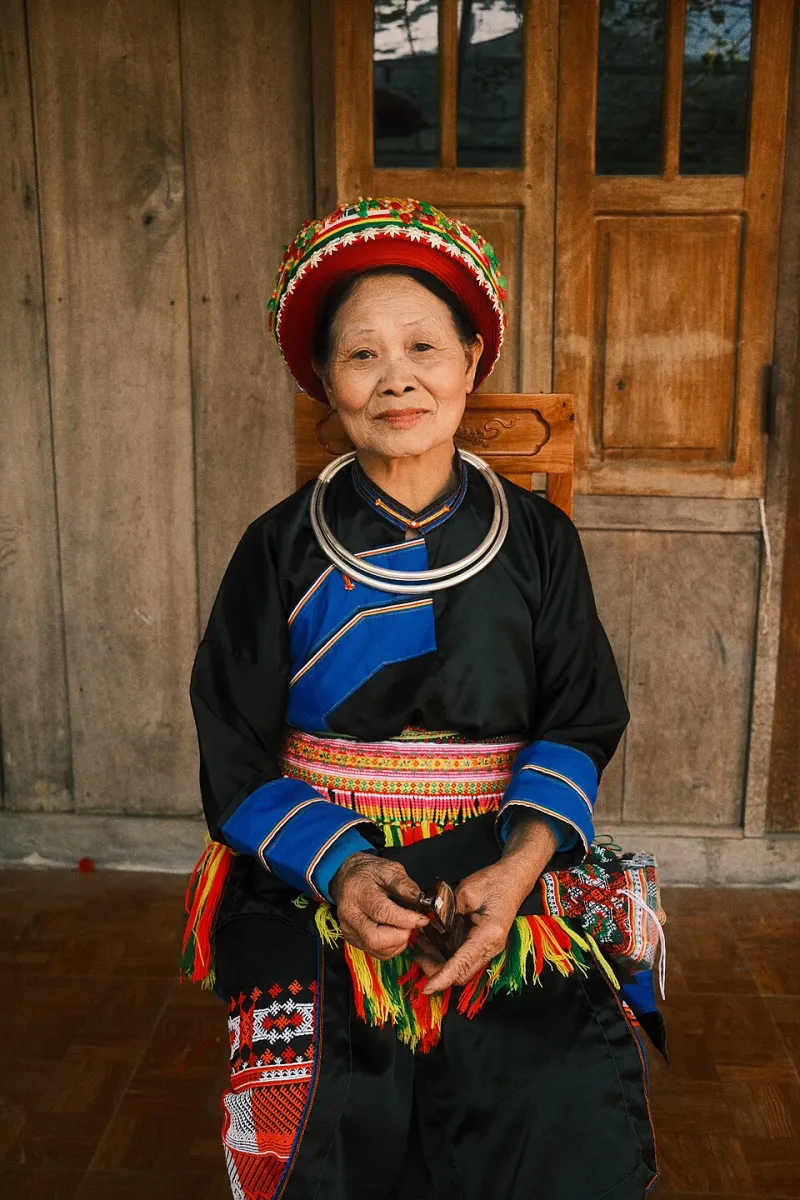
Photo: AlbMem, CC BY-SA 4.0, via Wikimedia Commons
You've probably heard that color affects mood — it's practically science class stuff at this point. But when it comes to ethnic and traditional blouses, color isn't just a design choice. It's a whole language. The shades woven, dyed, and embroidered into heritage textiles have carried meaning across generations and continents, and now that American women are embracing these pieces in bigger numbers, it's worth slowing down to understand what you're actually saying when you reach for that deep teal kurta or that sunset-orange mirror-work blouse.
At Mani Blouse Market, we think dressing well starts with dressing consciously. So let's talk color — the cultural roots, the psychological undercurrents, and how you can use it all to build a wardrobe that genuinely reflects who you are.
Why Color in Traditional Textiles Hits Different
Fast fashion tends to chase whatever Pantone declares trendy each season. Traditional blouse-making? That's a whole other story. The colors used in ethnic textiles — whether it's the vivid block prints of Rajasthan, the earthy woven patterns of West Africa, or the rich embroidery of Eastern Europe — were often tied to nature, ceremony, social status, and spiritual belief.
Indigo, for example, wasn't just a pretty blue. Across South Asia, West Africa, and Japan, it was labor-intensive to produce, deeply symbolic, and associated with protection and depth of character. When you wear an indigo blouse today, you're carrying a little piece of that history on your shoulders — whether you know it or not.
That layered meaning is part of what makes ethnic blouses feel so substantial compared to a basic tee. There's weight to the color choices, even when the fabric is light as air.
The Psychology Behind the Palette
Color psychology is a legit field, and its findings map surprisingly well onto the traditional hues you'll find in ethnic blousemaking.
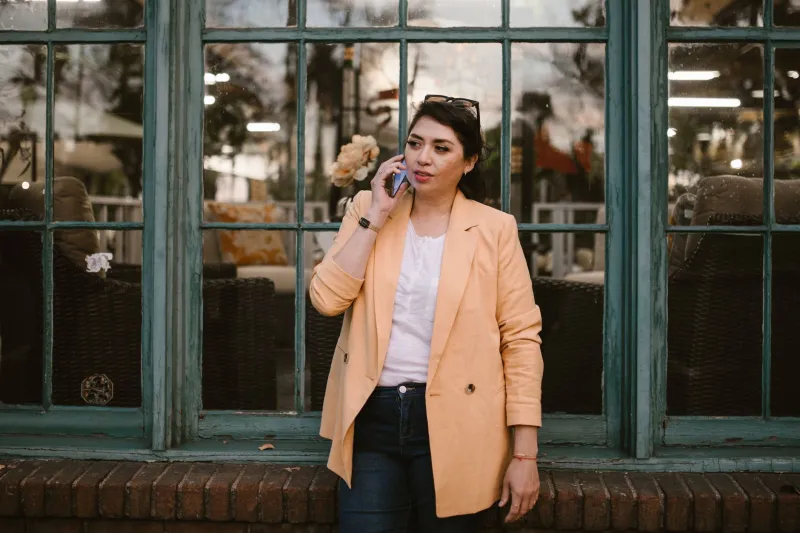
Deep Reds and Crimsons Red is the universal attention-grabber, but rich, heritage-style crimsons — think deep burgundy bandhani or a bold silk blouse with gold zari — read as confident without being aggressive. Psychologically, these shades are linked to passion, energy, and decisiveness. If you're walking into a negotiation, a first date, or any situation where you want to feel powerful and present, a crimson blouse is basically armor.
Indigo and Deep Blues Blue is the world's favorite color — surveys confirm it consistently across cultures — and deep indigo carries that popularity into something more mysterious and introspective. It signals calm, reliability, and depth. Wearing indigo says you're someone who thinks before they speak. It's a great choice for creative professionals who want to be taken seriously without looking corporate.
Earthy Ochres and Turmeric Yellows Ochre and mustard tones are having a serious moment in American fashion right now, and traditional blouses have been rocking these shades for centuries. These warm earth tones are psychologically associated with optimism, groundedness, and warmth. They're approachable without being loud — perfect for a weekend brunch or a casual get-together where you want to seem effortlessly put-together.
Forest Greens and Sage Green in traditional textiles often connected wearers to nature, fertility, and renewal. In color psychology, it's the shade of balance and healing. A sage or forest-green blouse is ideal when you want to feel centered — think yoga retreats, outdoor events, or any day when the world feels a little too chaotic.
Ivory, Off-White, and Natural Tones These aren't just neutral fillers. In many traditional contexts, undyed or naturally toned fabrics were considered pure and intentional. Psychologically, wearing off-white or cream signals clarity and simplicity — you're not trying too hard, and that confidence reads loud.
Matching Color to Occasion (and Season)
Here's where it gets practical. Knowing the psychology is one thing; knowing when to deploy it is the real style skill.
Fall and Winter: This is the season to lean into jewel tones — deep plum, forest green, rich burgundy. These colors feel warm and cozy while still looking polished. Layer a jewel-toned ethnic blouse under a camel coat for a look that's equal parts heritage and high fashion.
Spring: Ochre, dusty rose, and soft saffron come alive in spring light. These are the colors of optimism and new beginnings, which aligns perfectly with the season's energy. Pair with wide-leg linen trousers for an effortless warm-weather look.
Summer: Bright whites, vibrant teals, and sun-bleached indigos shine in summer. Traditional block-print blouses in aqua or sky blue feel fresh and culturally rich at the same time. They work brilliantly with denim cutoffs or flowy skirts.
Year-Round Staples: Deep indigo and classic red are genuinely all-season colors. They shift in feel depending on what you pair them with — a red blouse with chunky boots hits differently than the same blouse with strappy sandals, even though the psychology stays consistent.
Building Your Color Personality
One of the most fun things about building an ethnic blouse wardrobe is that it forces you to think about color in a more intentional way than a capsule wardrobe of neutrals ever would. Start by asking yourself a few questions:
- What colors do you always reach for when you're feeling your best?
- Are there shades you've avoided because you think they "don't work" for you — or have you just never tried?
- What mood do you want to project in your professional life versus your personal life?
Your answers will point you toward a color story that's genuinely yours. Maybe you're an earthy ochre-and-sage person who values calm and groundedness. Maybe you're a crimson-and-gold maximalist who wants every room to know you've arrived. Both are valid. Both are beautiful.
The Cultural Respect Factor
As you explore the color traditions of ethnic blouses, it's worth taking a moment to appreciate the why behind the palette. When you wear a piece that carries cultural color symbolism, you're participating in a living tradition. That doesn't mean you need a history dissertation to get dressed in the morning — but a little curiosity goes a long way. Read about the textiles you're drawn to. Support makers and brands that source ethically and honor the craft.
At Mani Blouse Market, we believe the best style choices are informed ones. Understanding why a color matters makes wearing it feel more meaningful — and honestly, more stylish.
Start Choosing with Intention
Next time you're browsing for a new blouse, try skipping the "does this match my shoes" calculation for a second. Instead, ask: How do I want to feel? What do I want to say? Let the color answer first, and let the styling follow.
That's the quiet power of traditional textiles — they've been communicating for centuries. You just have to learn the language.