What Your Blouse Is Saying: A Style Guide to Reading Embroidery Like a Fashion Insider

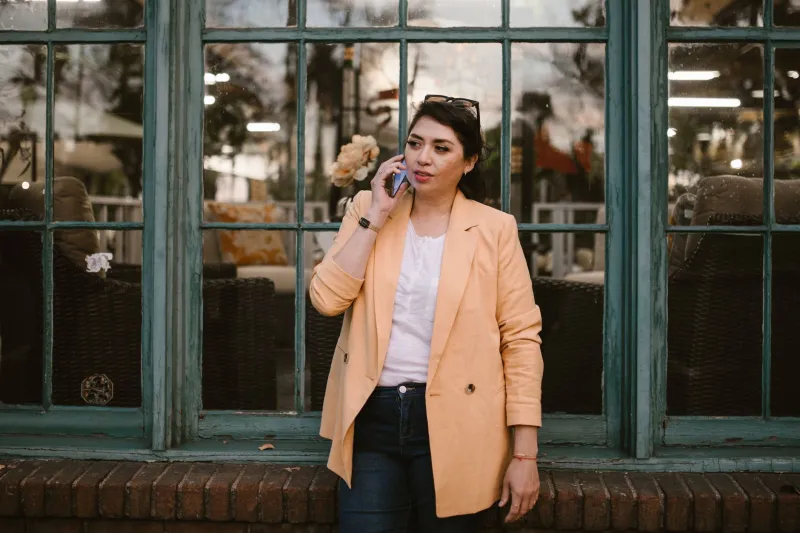
Photo by Photo by Helay Hassas on Unsplash on Unsplash
You probably already know that what you wear sends a message. But when you put on an ethnic blouse with intricate embroidery, the message runs deeper than just "I have good taste." Traditional embroidery patterns carry centuries of cultural storytelling, regional identity, and symbolic meaning. Choosing one over another — even unconsciously — says something specific about who you are and how you move through the world.
Think of this as your decoder ring for the rich, layered language of blouse embellishments. Whether you're shopping for your first hand-embroidered piece or adding to a growing collection, understanding what these patterns represent makes every purchase feel a lot more intentional.
1. Chikankari (Lucknow, India) — The Understated Sophisticate
What it looks like: Delicate white-on-white threadwork, often featuring fine floral motifs, paisleys, and lattice patterns on lightweight fabrics like georgette, muslin, or cotton.
The cultural story: Originating in the royal courts of Lucknow in the Mughal era, chikankari was the embroidery of refinement. It takes skilled artisans dozens of hours to complete a single piece, working with threads so fine they're nearly invisible until the light hits them just right.
What it says about you: You're the person in the room who doesn't need to announce themselves. Your style is effortlessly elegant — you lean toward pieces that reward a second look rather than demanding immediate attention. Chikankari wearers tend to be confident, understated, and quietly sophisticated. You probably also have a well-curated apartment and strong opinions about good coffee.
How to wear it in the US: A white chikankari blouse paired with tailored wide-leg trousers works beautifully for everything from a gallery opening in Brooklyn to a summer garden party in Charleston.
2. Phulkari (Punjab, India/Pakistan) — The Bold Optimist
What it looks like: Dense, vibrant floral embroidery worked in silk floss on cotton fabric. Colors are saturated and joyful — think marigold yellow, hot pink, electric blue. Patterns often cover the entire surface of the fabric, leaving little breathing room.
The cultural story: Phulkari literally translates to "flower work," and it's traditionally been made by women in Punjab as a labor of love — stitched for daughters as wedding gifts, passed down through generations. The abundance of color and pattern is intentional; it's a celebration woven into cloth.
What it says about you: You're not here to blend in. You gravitate toward maximalism, you probably have a killer playlist, and you believe accessories should be bold. Phulkari wearers aren't afraid to take up space — stylistically or otherwise. You dress to express, not to impress.
How to wear it in the US: Let the blouse be the star. Keep the rest of the outfit simple — solid-colored wide pants or jeans — and wear it to a farmers market, a birthday brunch, or literally anywhere you want to be the most interesting-looking person in the room.
3. Kantha (West Bengal, India/Bangladesh) — The Thoughtful Creative
What it looks like: Running stitches in colorful thread that create geometric patterns, folk animals, mythological scenes, or abstract designs. The texture is slightly quilted, giving the fabric a soft, layered feel.
The cultural story: Kantha embroidery began as a recycling practice — women would layer old saris and stitch them together with running stitches, transforming worn fabric into something new. The patterns were often drawn from everyday life: fish, birds, the tree of life, scenes from mythology.
What it says about you: You're a storyteller. You're drawn to pieces with history and texture, and you probably care deeply about the provenance of what you own. Kantha wearers tend to be artists, writers, educators, or anyone who finds meaning in the details. You're also likely the friend who gives the most thoughtful gifts.
How to wear it in the US: A kantha blouse works beautifully in creative and academic settings. Try it with straight-leg jeans and ankle boots for a look that says "I teach literature and also make my own sourdough."
4. Mirror Work / Shisha Embroidery (Gujarat, Rajasthan) — The Free Spirit
What it looks like: Small pieces of mirror or reflective glass stitched onto fabric using colorful thread, often surrounded by geometric or floral embroidery. The result is a blouse that literally sparkles when you move.
The cultural story: Mirror embroidery has roots in the nomadic and pastoral communities of western India, where bright, reflective materials were believed to ward off the evil eye. The technique spread across communities and became a hallmark of Gujarati and Rajasthani textile traditions.
What it says about you: You're magnetic, you love to dance, and you've never met a festival you didn't like. Mirror work wearers tend to be adventurous, social, and genuinely fun to be around. You believe clothes should be joyful, and you're not wrong.
How to wear it in the US: A mirror-work blouse was practically made for music festivals, outdoor concerts, and summer rooftop parties. Pair it with denim cutoffs or a flowy skirt and let the mirrors do the talking.
5. Kashmiri Crewelwork — The Romantic Traditionalist
What it looks like: Thick, woolen thread embroidery in rich jewel tones — deep burgundy, forest green, cobalt — featuring elaborate floral and paisley designs on a twill or cotton base.
The cultural story: Kashmir has been producing some of the world's most celebrated embroidery for centuries. Crewelwork was historically used to decorate shawls, wall hangings, and garments for royalty and wealthy patrons. The patterns often reference the gardens and landscapes of the Kashmir Valley.
What it says about you: You have a deep appreciation for history and artistry, and you're not afraid of rich color or dramatic pattern. Kashmiri crewelwork wearers tend to be romantic in the literary sense — drawn to beauty, depth, and the sense that beautiful things deserve to be treasured.
How to wear it in the US: A Kashmiri crewelwork blouse is stunning for fall and winter dressing. Layer it under a camel coat for a look that works in New York, Chicago, or anywhere you want to look like you just stepped out of a very stylish novel.
6. Banjara / Tribal Embroidery — The Nonconformist
What it looks like: Geometric patterns, coin embellishments, pom-poms, mirrors, and bold color combinations. Highly textured, highly tactile, and impossible to ignore.
The cultural story: Banjara embroidery comes from the nomadic Banjara communities of central and southern India. Because the Banjara people traveled constantly, their embroidery traditions absorbed influences from multiple regions, resulting in a style that's eclectic, layered, and entirely its own thing.
What it says about you: You make your own rules. You mix vintage with new, high with low, and traditional with contemporary without breaking a sweat. Banjara wearers are the original eclectics — you were thrifting and mixing patterns before it was a Pinterest board.
How to wear it in the US: Banjara blouses thrive in urban settings where individual style is celebrated — think arts districts, weekend markets, or any environment where "too much" is actually just right.
Finding Your Embroidery Personality
Here's the thing about embroidery styles: you don't have to pick just one. Your wardrobe can hold the quiet sophistication of chikankari and the electric joy of phulkari. Personal style is rarely a single note.
But paying attention to which patterns you reach for instinctively — which textures make you stop scrolling and look closer — tells you something real about who you are and how you want to show up. At Mani Blouse Market, we believe that every blouse is a conversation starter. The question is: what do you want yours to say?