Stitch by Stitch: Why Handcrafted Ethnic Blouses Are Becoming America's Favorite Answer to Fast Fashion

Photo by Photo by Kateryna Hliznitsova on Unsplash on Unsplash
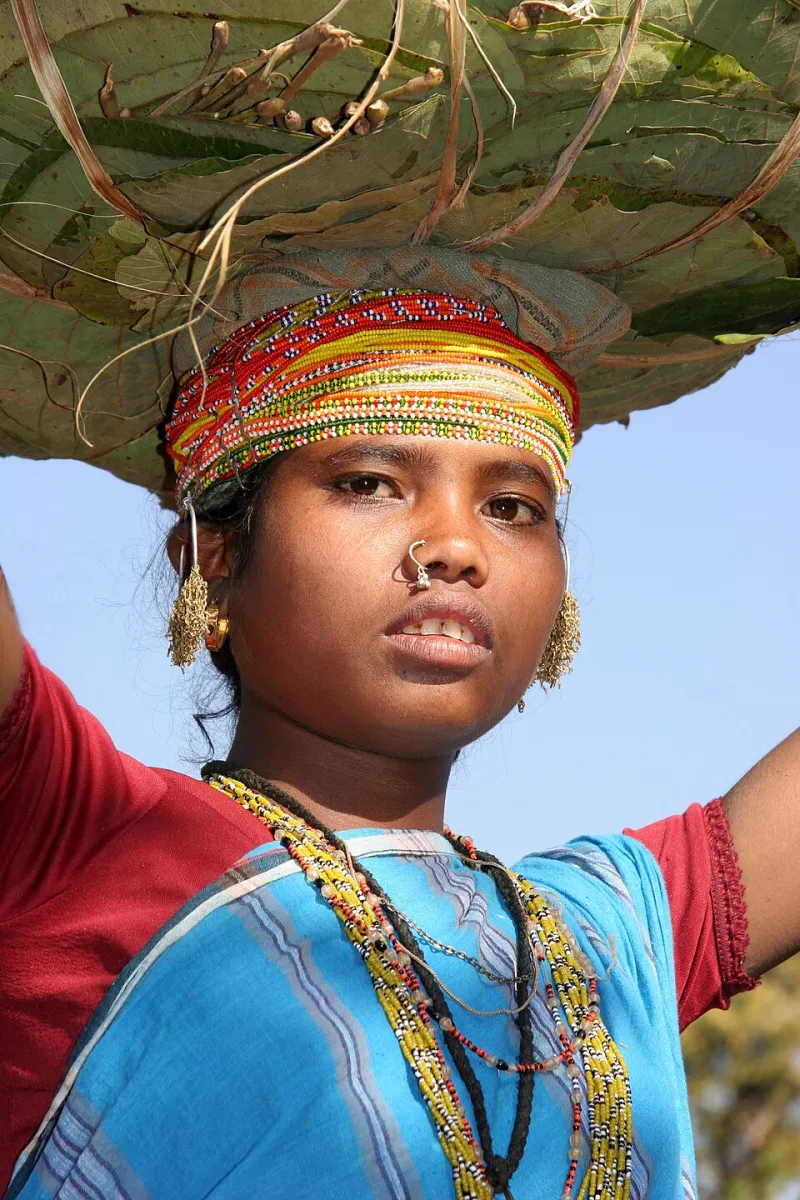
Something is shifting in the way Americans shop for clothes. The thrill of a $12 blouse that falls apart after three washes is wearing thin — pun intended. More and more shoppers are asking harder questions: Who made this? What's it made from? How long will it actually last? And increasingly, the answers they like best are coming from a surprising corner of the fashion world: traditional ethnic blouses crafted by artisans who have been perfecting their techniques for generations.
At Mani Blouse Market, we've watched this shift happen in real time. The customers coming to us aren't just looking for something pretty to wear. They're looking for something that means something — to them, to the maker, and to the planet.
The Problem with Fast Fashion (That We Already Know About)
By now, most of us have heard the statistics. The fashion industry is one of the largest contributors to global pollution, responsible for a significant chunk of wastewater and carbon emissions worldwide. Synthetic fabrics shed microplastics into waterways. Trend cycles have accelerated to the point where some retailers drop new "collections" weekly. The result? Mountains of barely-worn clothing ending up in landfills.
But knowing all of this doesn't automatically make it easy to shop differently. Sustainable fashion has sometimes felt like a niche, expensive, or aesthetically limited category — lots of neutral linen and minimalist vibes. What the conversation has been missing is the rich, vibrant, deeply intentional world of traditional ethnic blouses.
Why Heritage Blouses Are Inherently Sustainable
Here's the thing about a hand-embroidered chikankari blouse from Lucknow or a block-printed cotton kurta from Jaipur — it was never designed to be disposable. These garments come from traditions where fabric was precious, where patterns carried meaning, and where a well-made blouse was expected to outlast trends by decades.
Many traditional blouse-making processes naturally align with what modern sustainability advocates are calling for:
- Natural fibers: Cotton, silk, linen, and wool have been the backbone of ethnic textile traditions long before synthetic alternatives existed. These materials are biodegradable and breathable.
- Low-waste production: Artisan workshops often operate at a small scale, producing made-to-order or limited-run pieces rather than churning out thousands of identical units.
- Natural dyes: Turmeric, indigo, pomegranate rind, and madder root have colored fabrics for centuries. A growing number of weavers and embroiderers are returning to these plant-based dye traditions, producing colors that are gentler on waterways.
- Handwork over machinery: Hand embroidery, hand weaving, and hand block printing consume a fraction of the energy that industrial garment manufacturing does.
Shopping for a handcrafted ethnic blouse isn't just an aesthetic choice. It's a vote for a different kind of supply chain.
The Artisans Behind the Fabric
Spend any time talking to the makers behind traditional blouses and you'll quickly realize that sustainability isn't a marketing angle for them — it's simply how things have always been done.
Take the kalamkari artists who hand-paint cotton fabric using pens made from bamboo and iron-rust solutions, then fix the colors with natural mordants. Or the phulkari embroiderers of Punjab, who stitch dense floral patterns onto hand-spun cloth using a single thread pulled from the fabric itself. These aren't artisans who adopted eco-friendly practices after reading a trend report. They inherited them.
What's exciting is that younger artisans are now blending these inherited techniques with a contemporary understanding of sustainability. They're sourcing certified organic cotton, experimenting with zero-waste pattern cutting, and connecting directly with international buyers — including US shoppers — to cut out the layers of middlemen that inflate prices and dilute the story behind each piece.
What American Shoppers Are Actually Saying
Talk to women across the US who've made the switch to ethnic blouses and you'll hear a few recurring themes. First, there's the quality revelation. "I bought a hand-embroidered blouse two years ago and it still looks brand new," says one customer from Austin, Texas. "Meanwhile, everything I bought from fast fashion sites that same year is long gone."
Then there's the emotional dimension. Knowing that a specific person — a skilled artisan with a name and a story — made your blouse changes your relationship to it. You take better care of it. You wear it more thoughtfully. You don't impulse-donate it six months later.
Finally, there's the style factor. Ethnic blouses aren't trying to chase a trend. They are the trend, and also somehow timeless. A beautiful mirror-work blouse from Kutch looks just as fresh today as it did twenty years ago, and will likely look just as good twenty years from now.
Fabric Innovations Bridging Old and New
The sustainability story doesn't stop with traditional materials. A new wave of designers working in the ethnic blouse space is experimenting with innovative fabrics that honor heritage aesthetics while pushing the environmental conversation forward.
Recycled silk saris are being cut and reconstructed into contemporary blouse silhouettes. Organic Ahimsa silk — produced without harming silkworms — is finding its way into delicate hand-embroidered pieces. Some designers are even exploring banana fiber and lotus stem textiles, ancient materials that are seeing a modern revival thanks to their low-impact cultivation.
These innovations don't abandon traditional craftsmanship. They deepen it, giving artisans new materials to work with while keeping the hand skills and regional techniques front and center.
How to Shop More Intentionally
If you're ready to make ethnic blouses part of your sustainable wardrobe strategy, here are a few things to keep in mind:
Ask about the maker. Platforms and retailers that are serious about ethical sourcing will be able to tell you something about who made your blouse and under what conditions. Vague answers are a red flag.
Prioritize natural fibers. Look for cotton, silk, linen, or wool. Avoid blouses labeled with synthetic fabric blends if sustainability is a priority for you.
Think cost-per-wear. A handcrafted blouse might cost more upfront than a fast fashion alternative, but if you wear it for five years instead of five months, the math changes completely.
Embrace imperfection. Handmade items have slight variations that machine-made goods don't. That tiny inconsistency in the embroidery? That's proof a human being made it.
The Bigger Picture
Choosing a handcrafted ethnic blouse isn't just a personal style decision — it's a small act of economic solidarity with artisan communities, a conscious step away from the environmental damage of fast fashion, and an investment in clothes that genuinely last. The blouse revolution happening in American closets right now is quieter than a runway show, but it might be more meaningful than anything that walked down one recently.
At Mani Blouse Market, we believe that where tradition meets modern style, you also find the most sustainable path forward. One beautiful blouse at a time.