Every Day Is the Occasion: How American Women Are Wearing Ethnic Blouses on Their Own Terms
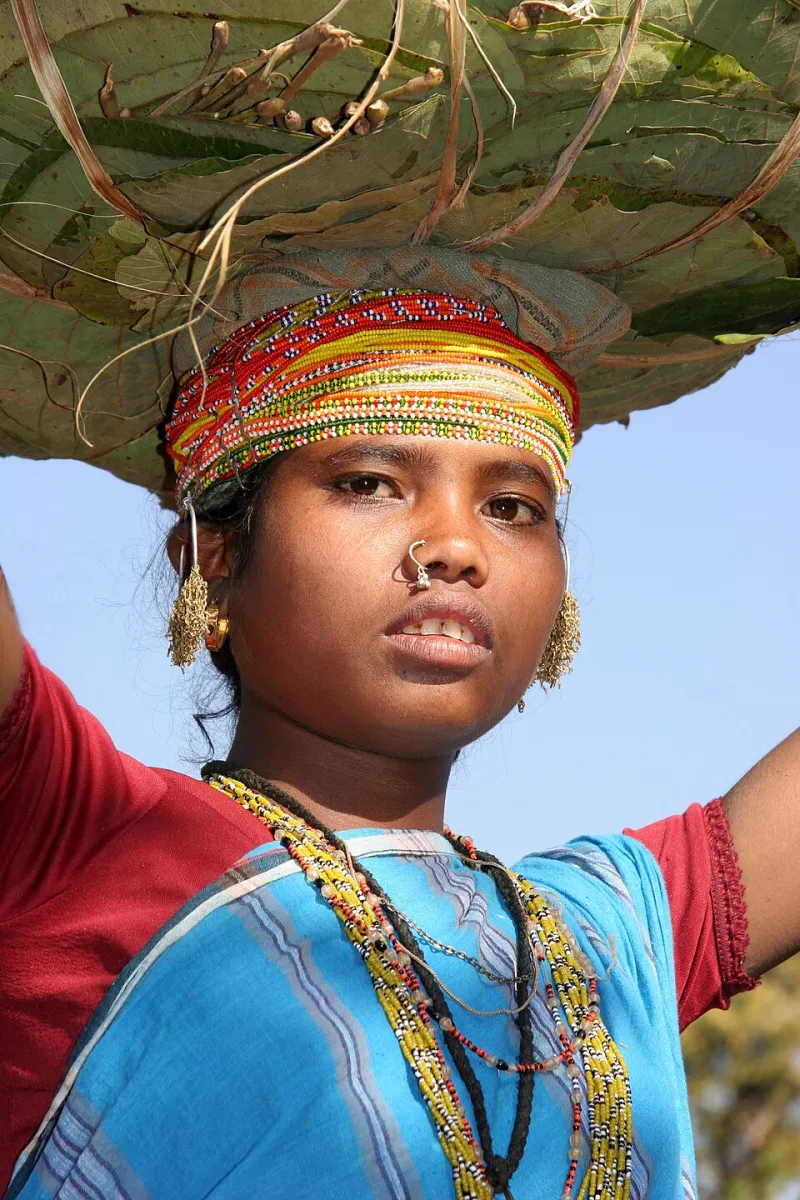
Photo: Yves Picq http://veton.picq.fr/, CC BY-SA 3.0, via Wikimedia Commons
Somewhere along the way, a quiet rule got written into American fashion culture: traditional ethnic wear is for celebrations. Festivals, weddings, religious holidays — those are the moments you pull out the embroidered blouse or the hand-block-printed top. The rest of the year? It stays folded in the drawer.
A lot of women are done with that rule.
Across the country, shoppers are rethinking what "appropriate" dressing looks like on a Tuesday. They're wearing their kurta tops to Target. They're showing up to Zoom calls in beautifully embroidered blouses. They're grabbing coffee in traditional prints that would have once been reserved for a Diwali party or a cultural festival. And fashion culture, slowly but surely, is catching up.
This isn't just a style trend — it's a shift in how American women of diverse backgrounds relate to their own clothing, their heritage, and the stories those garments carry.
The 'Save It for Special Occasions' Trap
If you grew up in a South Asian, Middle Eastern, or Latin American household in the US, you probably know this dynamic well. The traditional clothes were precious. They were brought out carefully, worn with intention, and put away just as deliberately. There was something meaningful about that ritual — but it also created a mental partition between "ethnic clothes" and "everyday clothes."
Priya, a 34-year-old marketing manager based in Chicago, describes it perfectly: "I had this gorgeous silk blouse my mom brought back from India. It sat in my closet for two years because I kept waiting for the right event. Then one day I just wore it to a work meeting with trousers and a blazer, and my colleagues loved it. I felt so stupid for waiting so long."
Her experience isn't unusual. For many first- and second-generation Americans, there's a learned hesitation around wearing traditional clothing in non-traditional settings. Part of it is practical — not wanting to stand out, not wanting to explain yourself. But part of it is also an internalized idea that ethnic wear somehow doesn't belong in everyday American life.
That idea is losing ground fast.
What's Actually Changing
A few things are happening simultaneously that are accelerating this shift.
First, mainstream American fashion has spent the last several years moving toward maximalism, texture, and global influences. Embroidery, intricate prints, and artisan details — all hallmarks of traditional ethnic wear — are now showing up on runways and in major retail stores. When Anthropologie and Free People start selling pieces that look like watered-down versions of what's been in South Asian and African closets for generations, it creates an interesting cultural permission slip for women who already own the real thing.
Second, social media has fundamentally changed how style inspiration travels. Creators who style traditional pieces as everyday wear — pairing a mirror-work blouse with straight-leg jeans, or wearing a hand-embroidered top with sneakers — are reaching huge audiences and normalizing exactly this kind of styling. The visual language of ethnic wear in everyday contexts is becoming familiar, even aspirational, to a much wider group of American shoppers.
Third — and maybe most importantly — women are simply getting tired of the mental overhead. Maintaining two separate wardrobes, one for "regular" life and one for cultural occasions, is exhausting. Integrating the two just makes more sense.
Real Looks for Real Life
So what does this actually look like in practice? Here are a few ways women are styling their ethnic blouses for non-occasion occasions:
The Workday Remix: A structured, embroidered blouse tucked into tailored trousers with pointed-toe flats. This is the outfit that reads as polished and professional while also being genuinely distinctive. It's not trying to hide the traditional elements — it's centering them.
The Weekend Errand Run: A loose, block-printed kurta blouse worn with white wide-leg jeans and white sneakers. Comfortable, casual, and effortlessly cool. This is the look that gets the "where did you get that top?" question at the grocery store.
The Casual Friday: A lightweight traditional blouse in a solid or subtle print, worn untucked over dark slim jeans with ankle boots. Relaxed but intentional — the kind of outfit that doesn't require any explanation or justification.
The Sunday Brunch Outfit: A silky, embellished blouse with high-waisted trousers and strappy sandals. Dressed up just enough to feel special, casual enough to feel comfortable.
None of these looks require a special occasion. They just require the willingness to wear something beautiful on a regular day.
What Experts Are Saying
Fashion stylists who work with diverse clientele have been noticing this shift for a while now. The conversation has moved away from "how do I make my traditional clothes look more Western?" and toward "how do I wear my traditional clothes in more contexts?"
That's a meaningful distinction. The first question implies that ethnic wear needs to be modified or minimized to fit into American life. The second question takes the clothing as a given and asks how to expand its reach. It's a more confident, more empowered starting point.
Consumer behavior data supports this too. Searches for "everyday ethnic wear" and "casual traditional blouses" have grown significantly over the past two years, indicating that shoppers aren't just looking for occasion wear — they're looking for pieces they can actually live in.
The Bigger Picture
What's happening with ethnic blouses is part of a broader cultural conversation about who gets to define "everyday" American style. For a long time, the default aesthetic for everyday American dressing was pretty narrow. What we're seeing now is an expansion of that default — an acknowledgment that American style is as diverse as the people living here.
Wearing a beautifully embroidered traditional blouse to pick up your kids from school or to a work presentation isn't a political statement. But it is, in a quiet way, a form of self-expression and cultural confidence. It says: this is part of who I am, and it belongs here, in this moment, in this life.
At Mani Blouse Market, that's the energy we're here for. Traditional and modern, occasion and everyday — not as opposites, but as a spectrum. Because your blouse collection shouldn't have to wait for a calendar event to earn its place in your wardrobe. Every day you get dressed is an occasion. Might as well make it count.