Buy Less, Wear More: The Real Math Behind Investing in Artisan Ethnic Blouses

Photo by Photo by Kateryna Hliznitsova on Unsplash on Unsplash
Let's talk numbers for a second. The average American buys around 65 garments per year, according to data from the American Apparel & Footwear Association. Of those, a significant chunk get worn fewer than five times before being discarded. That's a lot of money—and a lot of waste—for clothes that barely made it out of the closet.
Now consider a different approach: fewer pieces, chosen carefully, built to last. It sounds almost radical in an era of two-day shipping and $12 trend tops. But for a growing segment of American shoppers, this is exactly the shift they're making—and artisan ethnic blouses are at the center of it.
The Fast Fashion Problem Nobody Talks About Enough
Fast fashion's environmental toll is well-documented at this point. The global apparel industry is responsible for roughly 10% of annual carbon emissions worldwide, and synthetic fabrics—the backbone of most disposable fashion—can take hundreds of years to decompose in landfills. The water usage alone is staggering: a single conventional cotton T-shirt can require up to 2,700 liters of water to produce.
But the economic cost to individual consumers is just as real, even if it's less visible. Cheap clothes wear out fast. Seams split. Colors fade after a few washes. The $18 blouse you bought because it was "good enough" gets replaced by another $18 blouse six months later, and then another. Over a few years, that cycle adds up to hundreds of dollars spent on items you no longer own.
This is where the cost-per-wear calculation becomes genuinely eye-opening.
Running the Real Numbers
Cost-per-wear is simple: take what you paid for a garment and divide it by the number of times you wear it. A $25 fast fashion blouse worn 10 times before it falls apart costs $2.50 per wear. A $150 handcrafted ethnic blouse worn 80 times over five years costs less than $2 per wear—and it's still going strong.
That's not a hypothetical. Women who invest in quality artisan pieces consistently report wearing them for years, even decades. The construction is more durable. The fabrics—natural fibers like cotton, silk, and linen that dominate traditional textile traditions—hold up through repeated washing and wear in ways that polyester blends simply don't.
Rachel, a teacher in Portland who's been building what she calls her "intentional wardrobe" for the past three years, did exactly this math. "I used to spend maybe $400 a year on clothes and feel like I had nothing to wear. Now I spend a similar amount on maybe four or five really good pieces, and I actually love everything in my closet. The ethnic blouses I've bought from artisan makers are the ones I reach for constantly—they're just better made."
What Artisan Production Actually Means
When we talk about handcrafted ethnic blouses, it's worth being specific about what that label actually involves—because it's not just a marketing term.
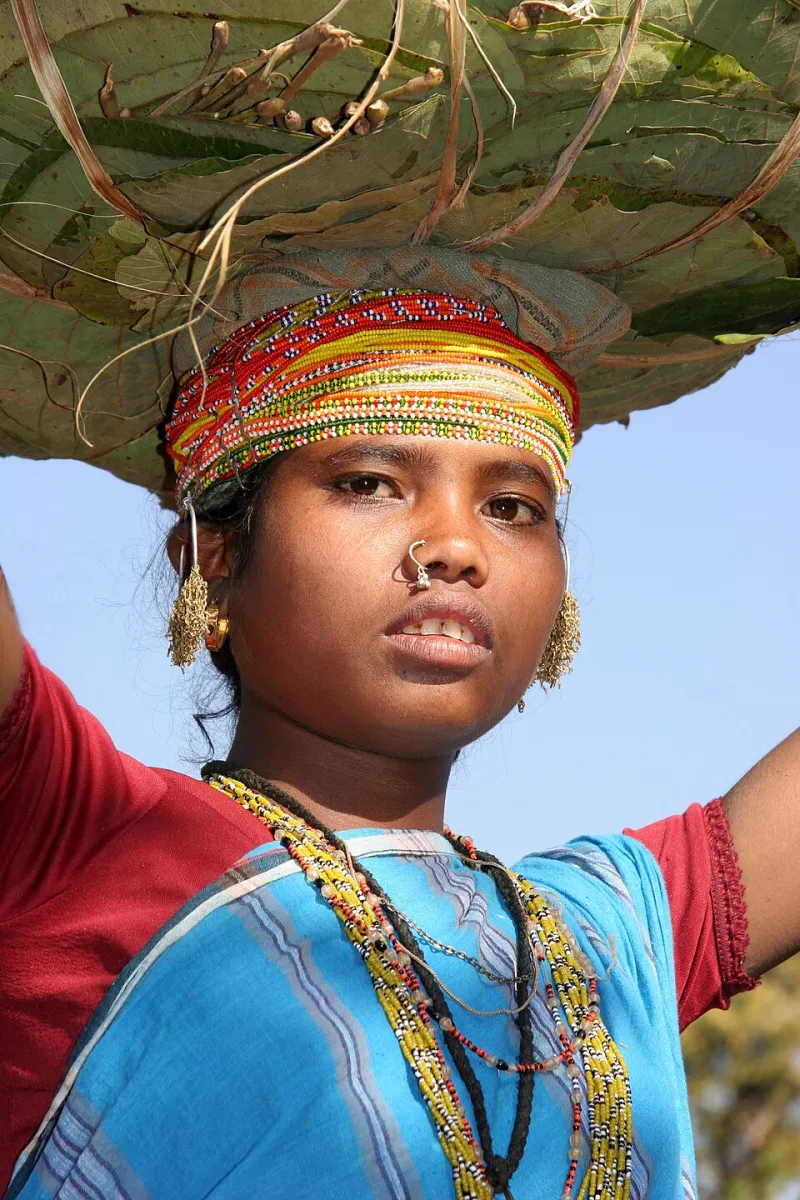
Traditional textile production methods—block printing in Jaipur, backstrap loom weaving in Guatemala, kantha hand-stitching in West Bengal—are inherently more sustainable than industrial manufacturing. They use less energy. They produce less waste. They rely on natural dyes and fibers that biodegrade rather than accumulating in landfills for centuries.
They also support living wages in communities where artisan skills represent both economic opportunity and cultural heritage. When you buy a handcrafted blouse from a maker-transparent retailer, you're participating in a supply chain that's fundamentally different from the race-to-the-bottom model that defines most fast fashion.
Weaver and textile artisan Kavitha S., who works with a women's cooperative in Andhra Pradesh that supplies several US-based retailers, describes the difference plainly: "When I make a blouse, I'm putting hours of skill into every inch of it. I know it will last because I made it to last. That's not how a factory thinks about a garment."
Building a Smaller, Smarter Closet
The practical question is: how do you actually make this shift without feeling like you're depriving yourself of options?
The answer lies in thinking about a wardrobe the way you might think about a good recipe: fewer, higher-quality ingredients that work together in multiple ways.
Start with versatility. A well-made ethnic blouse in a classic silhouette—a fitted kurta, an embroidered peasant blouse, a structured mirror-work top—can be styled at least four or five different ways. Pair it with jeans for a casual weekend look. Layer it under a blazer for the office. Dress it up with tailored trousers for an evening out. That kind of range is something a trendy fast fashion piece rarely offers.
Prioritize natural fibers. Cotton, silk, linen, and wool breathe better, wear better, and last longer than synthetic alternatives. They're also far more sustainable at end-of-life, since they'll break down naturally rather than sitting in a landfill. Traditional ethnic blouses almost universally favor these materials—it's one of the reasons they tend to outlast their fast fashion counterparts by years.
Think in capsule terms. A curated collection of five to eight ethnic blouses in complementary colors and styles can functionally replace a drawer full of forgettable tops. When every piece is something you genuinely love and reach for regularly, the math of owning less starts to make a lot of sense.
Care for what you own. One of the underrated advantages of investing in quality ethnic wear is that the care traditions often already exist. Hand-washing, air drying, proper storage—these practices are built into traditional textile culture, and they extend the life of your garments dramatically.
The Sustainability Story You're Buying Into
Fashion economist and consultant Dana M., who advises sustainable brands on US market positioning, frames the artisan blouse investment this way: "When you buy a handcrafted piece, you're not just buying a garment. You're buying into a production model that values skill, longevity, and environmental responsibility. That's a completely different story from what fast fashion is selling."
It's also a story that's increasingly resonating with American consumers. Searches for "sustainable fashion," "artisan clothing," and "ethical ethnic wear" have all trended upward significantly over the past three years, reflecting a real shift in how shoppers are thinking about value.
The Bottom Line
Sustainability in fashion doesn't have to mean sacrifice or compromise. It can mean a closet full of pieces you actually love—things that fit beautifully, last for years, and carry real meaning. Artisan ethnic blouses deliver on all three counts.
Buy fewer things. Choose them carefully. Wear them constantly. That's not a trend. That's just good sense.