Ordering a Blouse Online Shouldn't Feel Like Vegas: A Field Guide to Getting the Fit Right
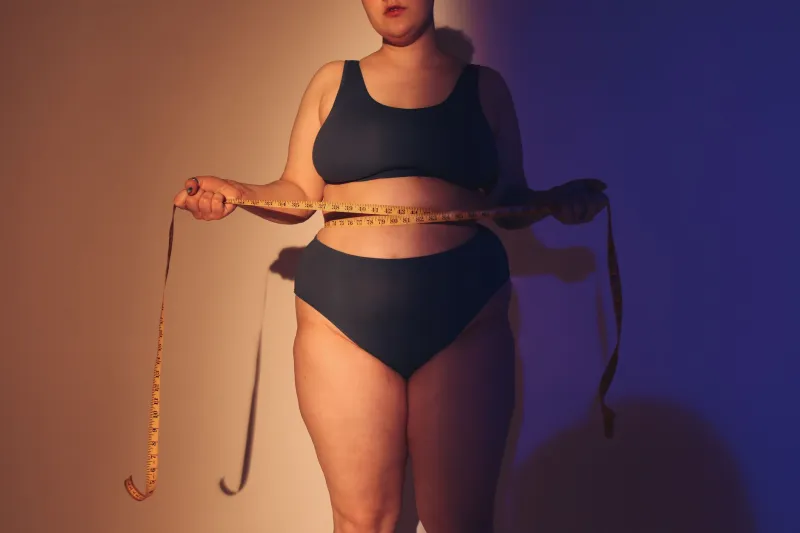
You measured twice. You read the reviews. You ordered your usual size. And yet the blouse that arrived is somehow both too tight across the bust and swimming at the hem.
If this sounds familiar, you're not alone — and you're not bad at shopping. Blouse sizing, especially across traditional and contemporary labels, is genuinely chaotic. Here's what's going on under the fabric, and how to shop around it.
Why Blouse Sizes Are a Mess (It's Not You)
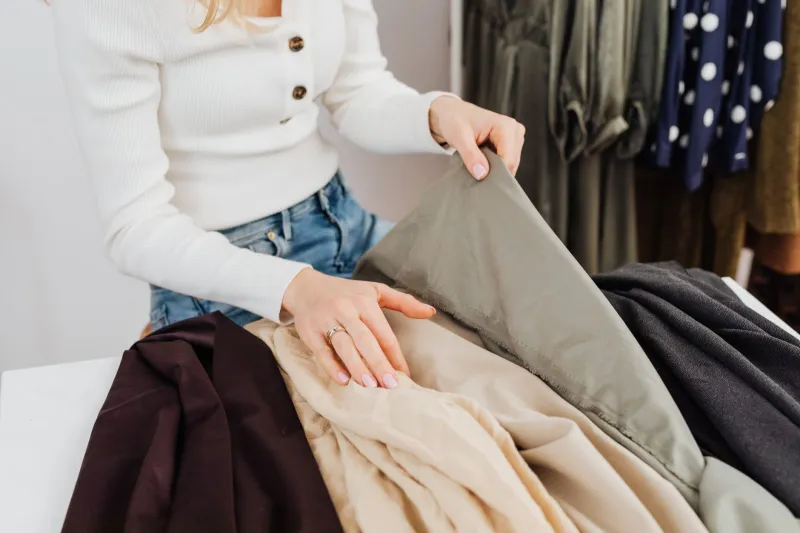
1. Handwoven fabric doesn't obey size charts. Much of the traditional blouse market runs on handloomed and hand-embroidered textiles. These fabrics have natural variance — a weave can shrink slightly, pull in one direction, or sit stiffer than machine-made cotton. Two blouses cut from the same pattern can fit differently.
2. International size conversions are approximations at best. A "Medium" on an Indian label, a US Medium, and a European 40 are all different animals. Many sellers list conversions loosely, and vanity sizing muddies things further on the domestic side.
3. Blouses are cut for drape, not just measurements. A fitted silk blouse and a relaxed cotton one might share identical dimensions but wear completely differently. Bust fit, armhole height, and shoulder seam placement all interact with how a fabric falls.
4. Traditional blouse construction assumes tailoring. Many ethnic blouse patterns — saree blouses especially — are designed to be fitted or adjusted by a tailor after purchase. Buying one expecting ready-to-wer precision is setting yourself up for disappointment.
The 7-Point Pre-Checkout Checklist
Run every blouse purchase through this before you hit "Add to Cart":
1. Ignore the letter, read the numbers. Find the actual garment measurements — bust, shoulder, length — and compare them to a well-fitting blouse you already own, laid flat. This beats size charts every time.
2. Check the bust with a 2–4 inch ease rule. Measure your own bust, then add 2–4 inches for a fitted style or 4–6 for a relaxed cut. If the garment measurement doesn't hit that range, size accordingly.
3. Look for the fabric weight. Stiff fabrics (raw silk, brocade) fit closer to the body but don't stretch. Soft weaves (cotton voile, chiffon) drape and forgive. The product description should tell you — if it doesn't, that's a flag.
4. Read reviews for fit-specific language. "Runs small in the shoulders," "great for larger busts," "armholes tight" — search reviews for these phrases, not just star ratings.
5. Find the model's actual measurements. "Model is 5'8" and wearing a Small" means little without her bust/waist stats. Reputable sellers include them.
6. Decode the return policy before, not after. Key questions: Is return shipping free? Is there a restocking fee? Are final-sale items clearly marked? Handmade goods often carry stricter policies — know before you buy, not when you're disappointed.
7. When in doubt, size for the bust. Hems can be shortened and waists taken in relatively easily. Shoulders and bust are expensive, sometimes impossible, fixes. Fit the hardest area first and tailor the rest.
A Quick Word on Custom Options
Many traditional blouse sellers — including a growing number on US marketplaces — offer made-to-measure services. If you're investing in a hand-embroidered or silk piece, the upcharge for custom sizing is often worth it. Get professionally measured once (any tailor will do it for a small fee, or ask a friend from a certain stitch-and-sip party), and keep those numbers handy forever.
The Bottom Line
Sizing inconsistency in the blouse world isn't a bug — it's a byproduct of craft, global supply chains, and garments built for tailoring. You can't change the system, but you can outsmart it: measure the garment, not the label; respect the fabric; and never skip the return policy fine print.
Your closet — and your mailbox — will thank you.