The Honest Closet Reckoning: What Happens When Women Finally Look Their Blouses in the Eye
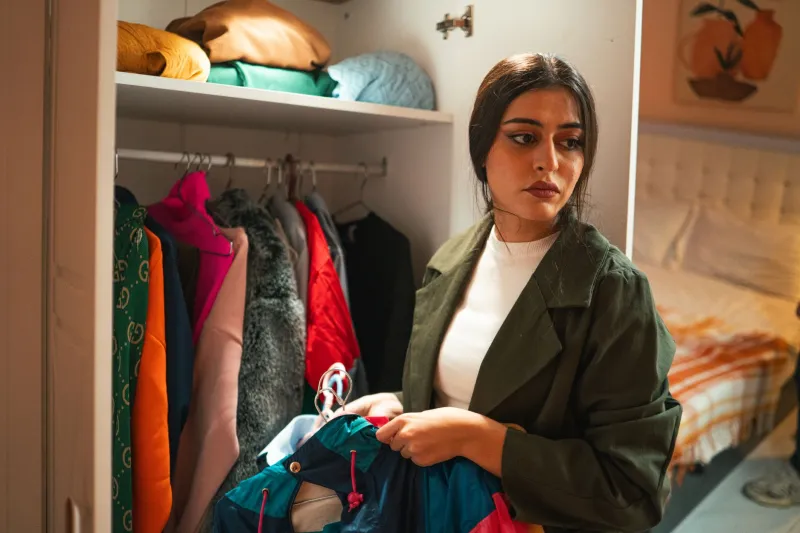
There's a particular kind of guilt that lives in the back of a closet. It hangs quietly between the things you reach for every week and the things you haven't touched in two years. It doesn't announce itself. It just sits there, folded or on a hanger, waiting for a day that never quite arrives.
For a lot of American women right now, that guilt is wearing an ethnic blouse.
Maybe it was a stunning silk kurta picked up on a trip. Maybe it's a hand-embroidered piece bought online during a late-night scroll. Maybe it was a gift from a relative who wanted to share something meaningful. Whatever the origin story, the pattern is the same: the blouse arrives, gets admired, gets hung up — and then gets skipped every single morning.
What's interesting isn't that this happens. What's interesting is that more women are finally deciding to do something about it.
Why Now? What's Triggering the Blouse Audit
The closet audit — as a concept — isn't new. But the specific version targeting ethnic and traditional blouses feels like a distinct cultural moment. A few things are converging to push it forward.
First, the sheer volume. Over the past several years, the availability of traditional and artisan blouses in the US has exploded. Online marketplaces, social media discovery, and a growing appreciation for global fashion have made it easier than ever to buy a beautiful piece from a craftsperson halfway around the world. That's genuinely wonderful. It's also how a lot of women ended up with five stunning blouses they never wear.
Second, there's a growing discomfort with the gap between intention and reality. Many women buy ethnic blouses with a specific version of themselves in mind — someone who dresses with more intention, more cultural connection, more flair. When that version of themselves doesn't materialize, the blouse becomes a quiet reminder of a life they imagined but haven't quite stepped into yet. That feeling accumulates.
Third, people are just tired of opening a full closet and feeling like they have nothing to wear. That particular frustration tends to eventually lead somewhere useful.
How This Differs from a Regular Closet Purge
Here's where the blouse audit gets genuinely different from a standard declutter session. When you're editing out a fast-fashion top that stopped fitting, the calculus is pretty clean. But ethnic and traditional blouses carry weight that a $15 polyester tee simply doesn't.
They might represent cultural identity — your own or someone else's. They might have cost real money, the kind that makes it hard to let go without feeling wasteful. They might be tied to a specific memory or relationship. They might be genuinely beautiful objects that you respect deeply but just... don't reach for.
All of that makes the standard advice — "if you haven't worn it in a year, toss it" — feel a little blunt. A more honest audit has to account for the fact that some pieces deserve more nuanced consideration than a twelve-month rule can offer.
The Real Reasons Ethnic Blouses Go Unworn
Before you can decide what to do with a piece, it helps to understand why it's been sitting there. The reasons tend to fall into a few categories:
The Occasion Trap. You bought it for a specific event — a wedding, a festival, a trip — and now it lives in a kind of permanent standby mode, waiting for the next occasion that feels worthy enough. The problem is that "worthy enough" almost never comes, and the blouse never gets to be just a blouse.
The Styling Paralysis. Traditional blouses, especially heavily embroidered or richly patterned ones, can feel intimidating to style in everyday American contexts. You love how it looks on the hanger but freeze up when you try to build an actual outfit around it.
The Identity Gap. Sometimes a blouse represents a version of your cultural identity that you're still figuring out how to express. It's not that you don't want to wear it — it's that wearing it feels like a statement you're not quite sure you're ready to make.
The Wrong Fit, Wrong Feeling. This one is more practical but often gets overlooked because the piece is so pretty: sometimes a blouse just doesn't fit the way you need it to, or the fabric doesn't feel great against your skin, or the color is slightly off for your complexion. None of that has anything to do with how beautiful the piece is.
A Framework That Actually Works
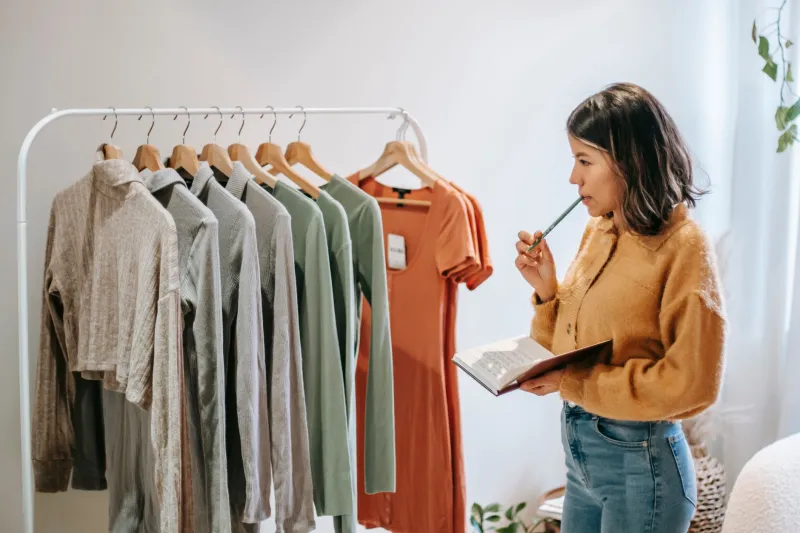
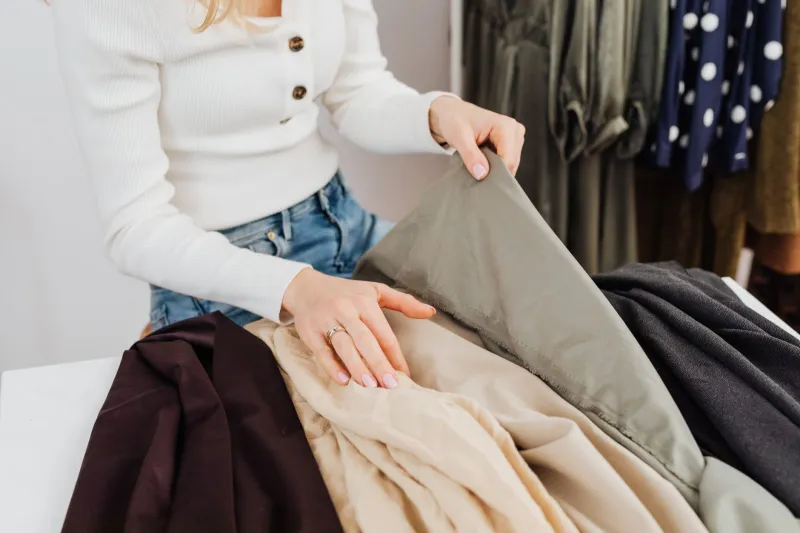
So how do you actually conduct an honest audit? Start by pulling everything out — not just the obvious candidates, but every single blouse. The act of seeing them all together at once is clarifying in a way that reviewing them one at a time simply isn't.
For each piece, ask three questions in order:
One: Have I worn this in the past year, and if not, why not? Be specific. "I didn't have the right occasion" is different from "I don't know how to style it" which is different from "it doesn't actually fit me." The reason matters because it changes what you do next.
Two: Is there a realistic path to wearing this? Not a theoretical path, not a fantasy version of your life path — a realistic one. If the answer involves waiting for a specific occasion that happens once every few years, that's worth acknowledging honestly.
Three: Does keeping this piece cost me something? Closet space is finite. Every piece that lives there but doesn't get worn is quietly taking up real estate that a piece you'd actually reach for could occupy. That's a real cost, even if it doesn't show up on a bank statement.
What to Do With What You Find
Once you've gone through the process, you'll likely end up with three piles: the keepers, the question marks, and the ones that clearly need to move on.
The keepers are easy — hang them up somewhere you can actually see them, and commit to wearing them more intentionally.
The question marks deserve a trial period. Give yourself sixty days and a specific plan: this blouse gets worn to at least two real outings in the next two months. If it still doesn't happen, that's useful information.
The pieces that need to move on? Those deserve a thoughtful exit. Ethnic and traditional blouses often have real value — resale, donation to organizations that appreciate handcrafted work, or passing them to someone in your life who'd actually wear them. A beautiful piece finding a home where it gets worn is a genuinely better outcome than it gathering dust in your closet out of obligation.
The Real Point of All This
A blouse audit isn't really about getting rid of things. It's about getting honest — with yourself, about what you actually wear, what you actually need, and what role you want traditional and ethnic pieces to play in your everyday life.
The women who come out of this process feeling good aren't the ones who got rid of the most stuff. They're the ones who ended up with a closet that actually reflects who they are right now, not who they hoped they'd become when they clicked "add to cart."
That's a closet worth opening in the morning.