Retire the Cocktail Dress: The Ethnic Blouse Is the New Wedding Guest MVP
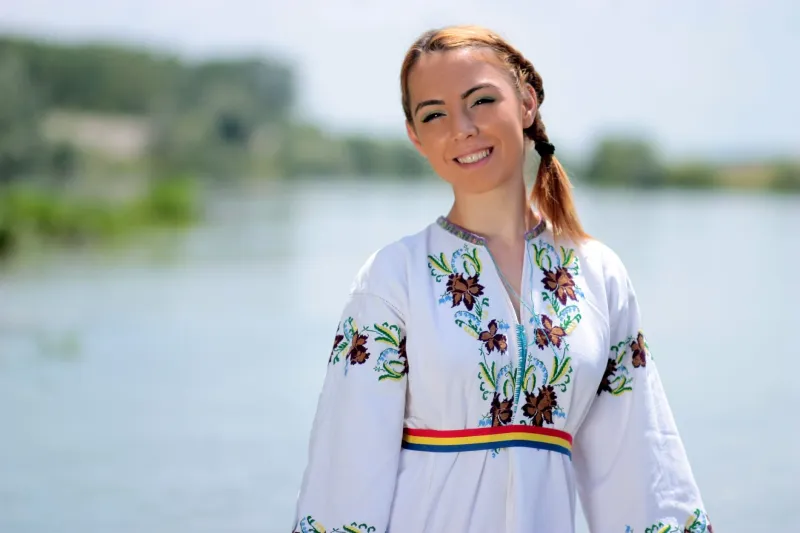
Let's say the quiet part loud: the wedding guest uniform — knee-length cocktail dress, nude heels, clutch — has been running on autopilot for two decades. And this year, guests are finally breaking ranks.
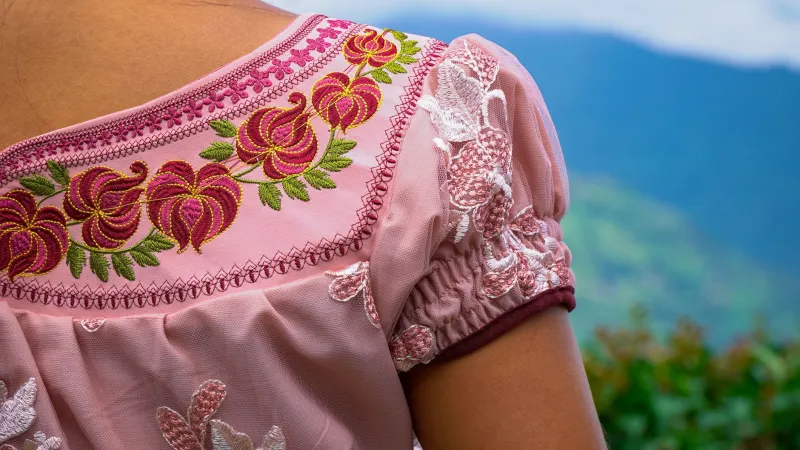
Scroll through any recent wedding hashtag and you'll spot it: hand-embroidered blouses paired with flowing skirts, silk saree blouses with wide-leg trousers, mirror-work pieces under blazers. The ethnic blouse has crashed the ceremony, and honestly? It was invited.
Why the Shift Is Happening
Three forces converged. First, the heritage-fashion wave — younger American shoppers, especially millennials and Gen Z, are actively seeking pieces with story and craft rather than another polyester sheath dress.
Second, practicality. A well-made blouse photographs beautifully, packs flat for destination weddings, and — crucially — gets reworn. Nobody wants to buy a $300 dress for a single Saturday in June. A blouse that works at the ceremony, the rehearsal dinner, and back at the office on Tuesday? That's math guests can get behind.
Third, and most interestingly: weddings themselves have changed. Fusion ceremonies, multicultural unions, and destination celebrations have made guests more attuned to dress codes that go beyond "cocktail attire."
Outfit Formulas by Dress Code
Black-Tie Optional: A rich silk blouse (deep jewel tones work beautifully) with a floor-length satin skirt or tailored wide-leg trousers. Add statement earrings and heeled sandals. The embroidery does the talking; keep jewelry to one hero piece.
Cocktail: The sweet spot. A fitted embroidered blouse with a midi skirt — pleated, satin, or a crisp cotton poplin for daytime events. Swap heels for embellished flats if it's a lawn wedding. This formula also nails bridal showers and rehearsal dinners.
Garden or Daytime Ceremony: Lightweight cotton or linen-blend blouse with delicate threadwork, worn with a flowing maxi skirt or culottes. Think breathability — outdoor ceremonies in July are no place for brocade.
Fusion or Multicultural Ceremonies: If the couple's heritage is represented, guests may be invited to wear traditional attire. A saree blouse with a modern lehenga skirt or drape skirt is a beautiful, appropriate choice — but always follow the couple's lead and any guidance on the invitation.
The Etiquette Line
Here's where we get honest, because appreciation and appropriation live close together, and wedding guests should know the difference.
When a traditional blouse is a respectful choice:
- The piece reflects your own heritage or family history
- The couple has invited guests to embrace their traditions
- You've purchased from artisans or brands within the tradition (rather than a fast-fashion knockoff stripping the cultural context)
- You can name where the style comes from when someone compliments it — and someone will
When it might miss the mark:
- The ceremony is a deeply religious or closed-cultural event where specific attire carries sacred meaning you haven't been invited into
- You're wearing sacred symbols (specific religious motifs, ceremonial-only pieces) as mere decoration
- The outfit centers you rather than the couple — if you're unsure, scale back the drama
The general rule: traditional everyday and celebratory wear, bought from legitimate makers and worn with understanding, is fair game. Sacred regalia is not a costume.
One Blouse, Three Weddings
The real genius of the trend is economy. One well-chosen blouse — say, a hand-embroidered piece in a deep emerald or wine — can restyle across an entire wedding season: with a long skirt in June, tailored pants for the September rehearsal dinner, and dark denim at the holiday party after.
That's not just style. That's a wardrobe working as hard as the guests are.
The cocktail dress had a good run. But wedding season belongs to the blouse now — and honestly, it was never really a competition.