Pass It Forward: Inside the Underground Blouse Swap Movement Reshaping How American Women Shop
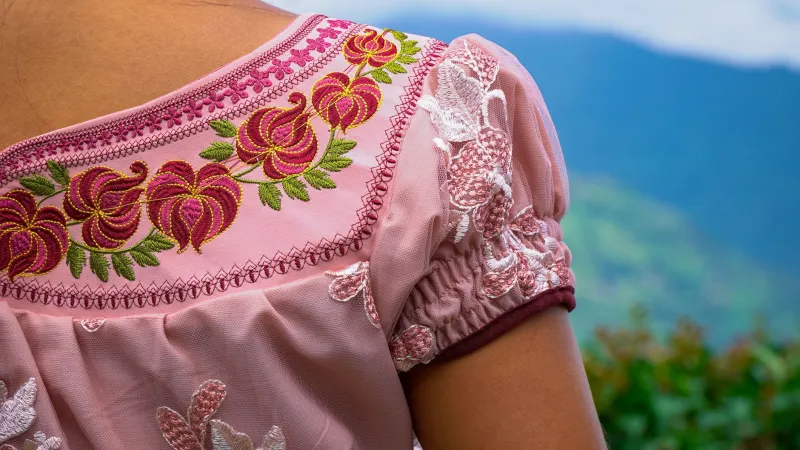
Somewhere in a Brooklyn apartment last spring, twelve women spread an extraordinary collection of blouses across every available surface — a silk chanderi from Chennai, a hand-embroidered Polish gorset, a hand-blocked Rajasthani cotton, a Mexican huipil with geometric motifs so precise they looked digital. Nobody bought a single thing. And yet, everyone went home with something new.
Welcome to the blouse swap economy.
It's not a trend with a slick PR campaign behind it. It grew organically, quietly, through group chats and neighborhood Facebook groups and the occasional flyer pinned to a coffee shop bulletin board. But in cities and suburbs across the US, blouse swapping circles — focused specifically on ethnic, traditional, and artisan-made pieces — are picking up real momentum. And the women organizing them will tell you it's about a lot more than just saving money.
Why Blouses, Specifically?
Clothing swaps are nothing new. Secondhand fashion has been having a cultural moment for years. But there's something distinct happening when the focus narrows to traditional and heritage blouses.
"A blouse tells a story in a way that a pair of jeans just doesn't," says Priya Anand, who runs a swap circle out of the Chicago suburbs with about forty regular participants. "When you're trading a kalamkari blouse, you're not just exchanging fabric. You're exchanging context, history, craft knowledge. The conversations that come out of these swaps are genuinely incredible."
Priya started her group three years ago after noticing that many women in her community had inherited or purchased ethnic blouses they loved but rarely wore — often because they weren't sure how to style them outside of traditional occasions. The swap format created space to explore that uncertainty together.
"Someone would bring a piece they felt stuck on, and someone else in the room would light up and say, 'Oh, I know exactly what I'd wear with that.' It became this living style guide."
The Sustainability Angle (That Isn't the Whole Story)
Ask anyone in these circles about sustainability and they'll nod — yes, absolutely, keeping handcrafted pieces circulating rather than landfilling them matters. The environmental argument for swapping over buying new is solid and well-documented.
But reduce the blouse swap movement to a sustainability trend and you miss the bigger picture.
"I think sustainability is the reason people show up the first time," says Nadia Torres, who organizes a monthly exchange in Austin that draws women from South Asian, Latinx, and West African communities. "But it's not why they keep coming back. They come back because of the connections."
Nadia's swaps have a loose rule: every piece that changes hands needs to come with a story. Where did it come from? Who made it, if you know? What does the embroidery mean? What occasion was it meant for? The stories don't have to be long or perfectly accurate — sometimes they're just "my aunt brought this back from Oaxaca and I've been too intimidated to wear it." But the requirement to articulate something about the piece transforms the transaction.
"You end up learning so much about craftsmanship, about regional textile traditions, about other people's family histories. It's not a history class. It's just women talking. But it's genuinely educational."
How These Swaps Actually Work
The logistics vary depending on the organizer, but a few models have emerged as particularly effective.
The Point System: Each blouse brought to the swap earns the owner a certain number of points based on condition, craftsmanship, and approximate value. Those points can then be spent on pieces from other participants. This keeps things fair without requiring anyone to find a direct trade partner.
The Free Table: Simpler and more casual — everyone brings what they're willing to give, takes what they want, and anything unclaimed gets donated. Works well for larger community events where the vibe is more party than marketplace.
The Curated Exchange: Participants submit photos of their pieces in advance, an organizer groups compatible trades, and the in-person event is essentially a pickup party. More logistically intensive but results in fewer people going home empty-handed.
Online versions have also proliferated, particularly in the years since pandemic-era socializing habits shifted so many community activities to digital spaces. Private Facebook groups, dedicated Instagram accounts, and even small Discord servers now facilitate blouse swaps among women who've never met in person but share a passion for traditional textiles.
What to Bring (and What to Leave Home)
If you're thinking about joining or hosting a swap, a few practical notes from seasoned organizers:
Condition is everything. A blouse with a missing hook or a small stain that you've been meaning to fix for two years is not swap-ready. Either repair it first or be transparent about the issue. Honesty about condition builds trust and keeps the community healthy.
Bring pieces you genuinely love but no longer wear — not pieces you were never sure about in the first place. The energy of a well-loved item is palpable, and pieces with real history behind them tend to move quickly.
Don't over-appraise your own stuff. It's human nature to think your embroidered blouse is worth more than someone else's, but swap circles run on goodwill. Come in with generosity rather than a negotiating mindset.
Ask questions freely. If you're picking up a piece from a cultural tradition you're unfamiliar with, ask. People who bring traditional pieces to these swaps generally want to share the context. Curiosity is welcome.
The Authenticity Question
One topic that comes up consistently in these communities: how do you swap responsibly when pieces cross cultural lines?
It's a real conversation, and the women who've been at this longest tend to approach it the same way — with openness and humility rather than rigid rules.
"I don't think anyone should be gatekeeping who gets to wear what," says Priya. "But I do think there's a difference between someone who picks up a piece because it's pretty and someone who picks it up because they genuinely want to understand it. The swap format naturally encourages the second kind of engagement."
Nadia agrees. "When you have to sit across from the person who's giving you their grandmother's blouse and hear why it matters, you carry it differently. That accountability changes things."
Finding Your Swap Circle
If no local group exists in your area, the good news is that starting one is genuinely low-barrier. A living room, a group chat, and a handful of curious women with interesting closets is all it takes. Several organizers recommend starting small — six to ten people — and letting word of mouth grow the group naturally.
Online, searching for "clothing swap" or "textile exchange" plus your city on Facebook or Meetup will often surface existing communities. Some local libraries and community centers host regular swap events that welcome traditional and ethnic pieces.
The blouse swap economy isn't going to replace retail. But for the women inside it, that's not really the point. What they've built is something harder to find and more valuable than a new purchase: a community that treats handcrafted clothing as the living, storied thing it actually is.
And sometimes, you go home with a kalamkari blouse that fits like it was made for you — and a conversation you'll think about for weeks.