Real vs. Replica: How to Tell If That Vintage Ethnic Blouse Is the Genuine Article
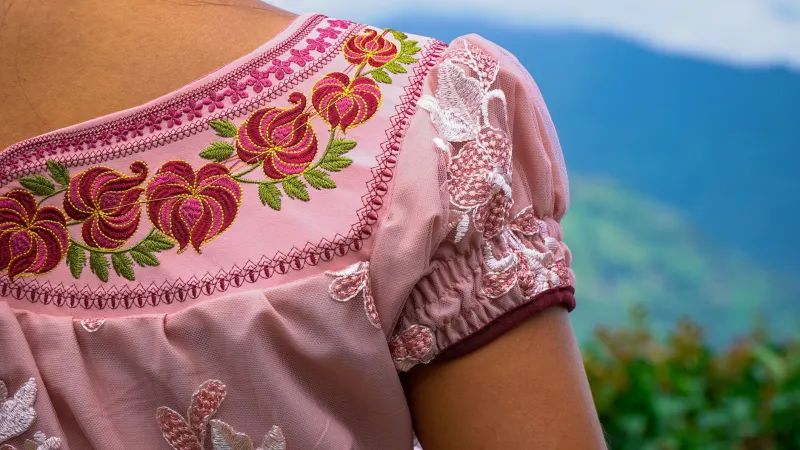
There's something undeniably magnetic about a blouse that carries a story. A hand-embroidered Mexican blipil passed down through generations. A kantha-stitched kurta from West Bengal that's been washed a hundred times and only grown more beautiful. A Guatemalan huipil with color combinations that no algorithm could replicate. These pieces aren't just clothing — they're portable history.
But here's the uncomfortable truth: as demand for vintage and ethnic blouses has grown in the US, so has the supply of convincing imitations. Mass-produced pieces designed to look handmade are flooding resale platforms, estate sales, and even some boutiques. And if you don't know what to look for, it's genuinely easy to pay artisan prices for a factory product.
This guide is your cheat sheet. Whether you're shopping a curated marketplace, scrolling through a resale app, or digging through a vintage store in your city, these are the things that will help you buy with confidence.
Start With the Stitching — It Tells You Almost Everything
The single most reliable indicator of a handmade ethnic blouse is the quality and character of its stitchwork. Authentic hand embroidery is imperfect in the most beautiful way. Thread tension varies slightly from one section to the next. Motifs won't be perfectly symmetrical. The back of the fabric will show a kind of organized chaos — knots, thread tails, and evidence of a human hand navigating the work in real time.
Machine embroidery, by contrast, is eerily consistent. Every stitch is the same length. Patterns repeat with robotic precision. Flip the blouse over and you'll often see a flat, uniform underside — sometimes with a stabilizer mesh or backing material that's a dead giveaway.
If you're shopping online, don't hesitate to ask for close-up photos of both sides of the fabric. Any seller with a genuinely handmade piece should be happy to provide them.
Get Familiar With Weaving Signatures
For blouses that feature handwoven fabric — think ikat, jamdani, or backstrap-loom weaves — the cloth itself carries authentication clues. Handwoven textiles have a subtle irregularity in their thread count. Run your fingers across the surface and you might feel slight variations in tension, small slubs in the yarn, or a texture that's impossible to replicate on a power loom.
Handwoven fabric also drapes differently. It tends to have more body and a slightly stiffer hand when new, softening beautifully over time. Machine-woven fabric meant to mimic it often feels limp or overly uniform.
If a seller claims a blouse is made from handwoven cloth, ask about the weaving tradition and region of origin. Authentic sellers — especially those working directly with artisan communities — will know the answer. Vague responses like "traditional Indian weaving" without specifics are a yellow flag worth noting.
Natural Dyes vs. Chemical Shortcuts
Color is another area where authenticity shows up in subtle but real ways. Many traditional ethnic blouses were — and still are — dyed using plant-based or mineral dyes. These colors have a particular depth and variation. Two sections of the same color might read slightly differently depending on how the dye absorbed into the fiber. Over time, natural dyes fade in ways that are almost romantic — they mellow rather than bleach out.
Synthetic dyes, used in mass production, are flat and consistent. They also tend to fade in harsher, less appealing ways — think the washed-out look of a cheap printed tee after a few washes.
For vintage pieces especially, look at the color in natural light if you can. Natural dye variations will be visible. If a supposedly "vintage" piece has colors that look suspiciously fresh and uniform, that's worth questioning.
The Fabric Itself: Know What You're Touching
Authentic ethnic blouses are typically made from natural fibers — cotton, silk, linen, or wool depending on the regional tradition. These materials age gracefully. Vintage cotton softens. Silk develops a subtle patina. Natural fibers also breathe, drape, and feel distinctly different from synthetics.
A quick burn test (if you're able to snip a loose thread from an inconspicuous seam) can confirm fiber content. Natural fibers burn cleanly and smell like burning paper or hair. Synthetics melt, bead up, and smell chemical.
If you're shopping secondhand online and can't do a burn test, ask the seller directly about fiber content and whether they have any provenance information. Reputable vintage sellers will often have documentation, or at minimum a detailed history of where the piece came from.
Provenance: The Paper Trail Matters
For higher-value vintage pieces, documentation can make a real difference. This might include:
- A receipt or certificate from the original artisan cooperative or fair-trade organization
- Regional tags or labels — many traditional weaving communities attach identifying marks to their work
- Seller history — has this person or shop consistently sourced from specific regions or communities?
- Photographs of the piece in its original context, if available
None of these are required for a piece to be genuine, but their presence adds a layer of confidence. Their absence in a high-priced listing isn't automatically suspicious, but it does mean you should lean harder on the physical authentication clues above.
Red Flags Worth Knowing
Here's a quick list of things that should make you pause before purchasing:
- Perfectly symmetrical embroidery with no variation in stitch size or spacing
- A backing or stabilizer mesh on the inside of embroidered sections
- Synthetic fabric on a piece claimed to be "traditional" or "handmade"
- Colors that look brand new on a supposedly aged vintage piece
- Vague or evasive answers from a seller about origin, technique, or materials
- Unusually low prices for pieces described as handmade or artisan-crafted — quality work takes time and commands fair compensation
- Generic labels like "handmade in India" with no further detail on region, community, or technique
Trust Your Instincts — and Your Education
The more you handle authentic handmade blouses, the sharper your eye gets. Visit local cultural festivals, ethnic fashion markets, and fair-trade shops when you can. Touch things. Ask questions. Build a mental library of what the real deal feels like — its weight, its texture, its beautiful imperfection.
Shopping for vintage ethnic blouses is one of the most rewarding corners of the fashion world. You're not just buying a garment — you're potentially preserving a piece of craft history, supporting a lineage of skill, and wearing something that genuinely cannot be replicated by a factory. That's worth taking the time to get right.
At Mani Blouse Market, we believe every blouse has a story. The best ones are the true ones.